About this branch
Yeshaya Dubinsky was the son of Itska. Itska's father was named Movsha. Movsha David, son of Elia, is a candidate for that father (consistent with the dates, not confirmed). He and his wife Sara lived in Volozhin. Their sons Rav Shimon Mordechai Dubinsky and Rav Moshe Shmuel Shapiro carried the family's Torah and history into the next generation.
From Volozhin to Brooklyn
Yeshaya Dubinsky was the son of Itska. Itska's father was named Movsha. Movsha David, son of Elia, is a candidate for that father (consistent with the dates, not confirmed). He and his wife Sara lived in Volozhin. Their sons Rav Shimon Mordechai Dubinsky and Rav Moshe Shmuel Shapiro carried the family's Torah and history into the next generation.
Yeshaya and Sara in Volozhin
Yeshaya Dubinsky was the son of Itska. Itska's father was named Movsha. Movsha David, son of Elia, is a candidate for that father (consistent with the dates, not confirmed). He lived in Volozhin with his wife Sara. Family information names Sara's father as Moshe Tzvi.
Read the Volozhin recordsRav Shimon Mordechai and the family's sefarim
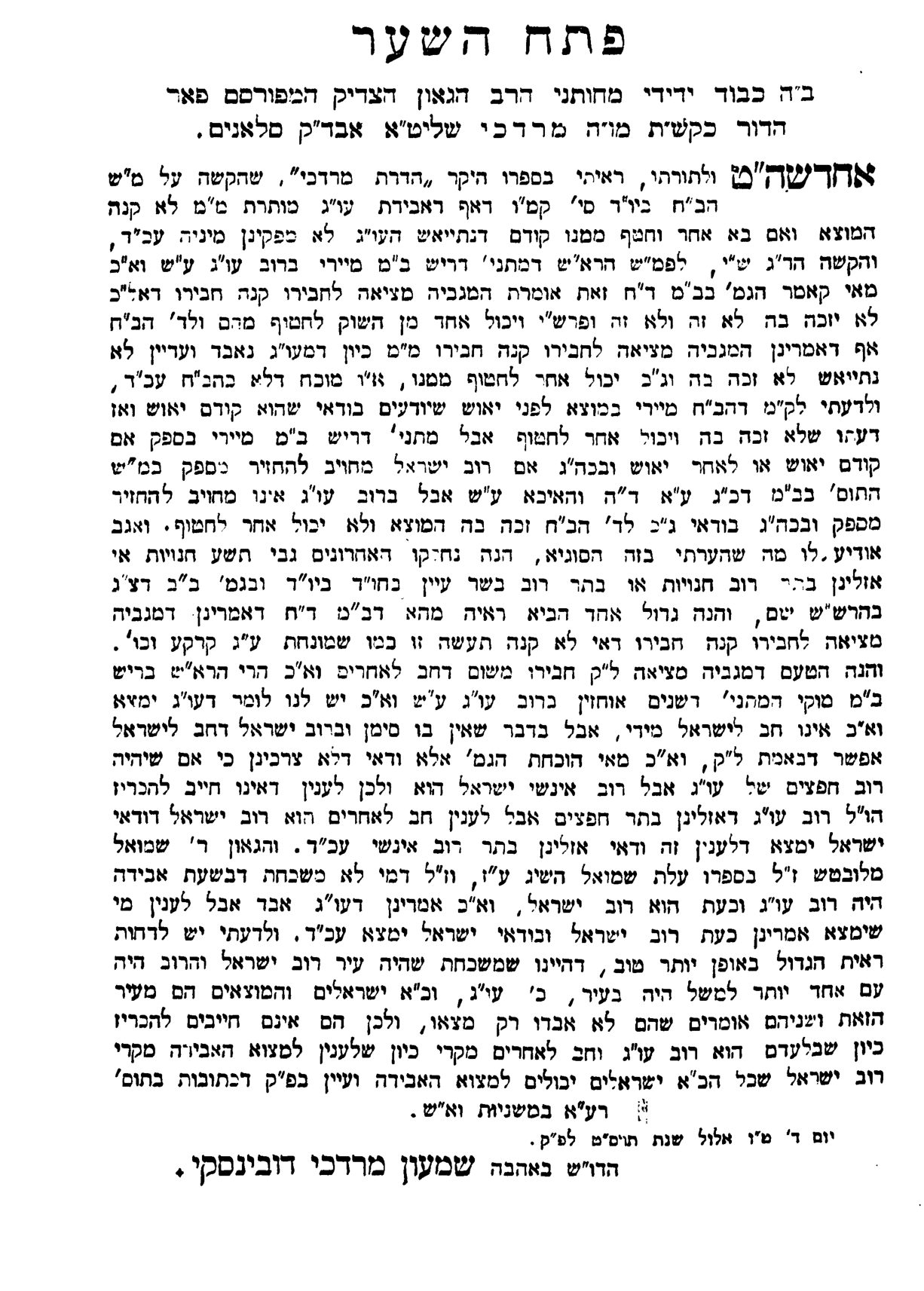
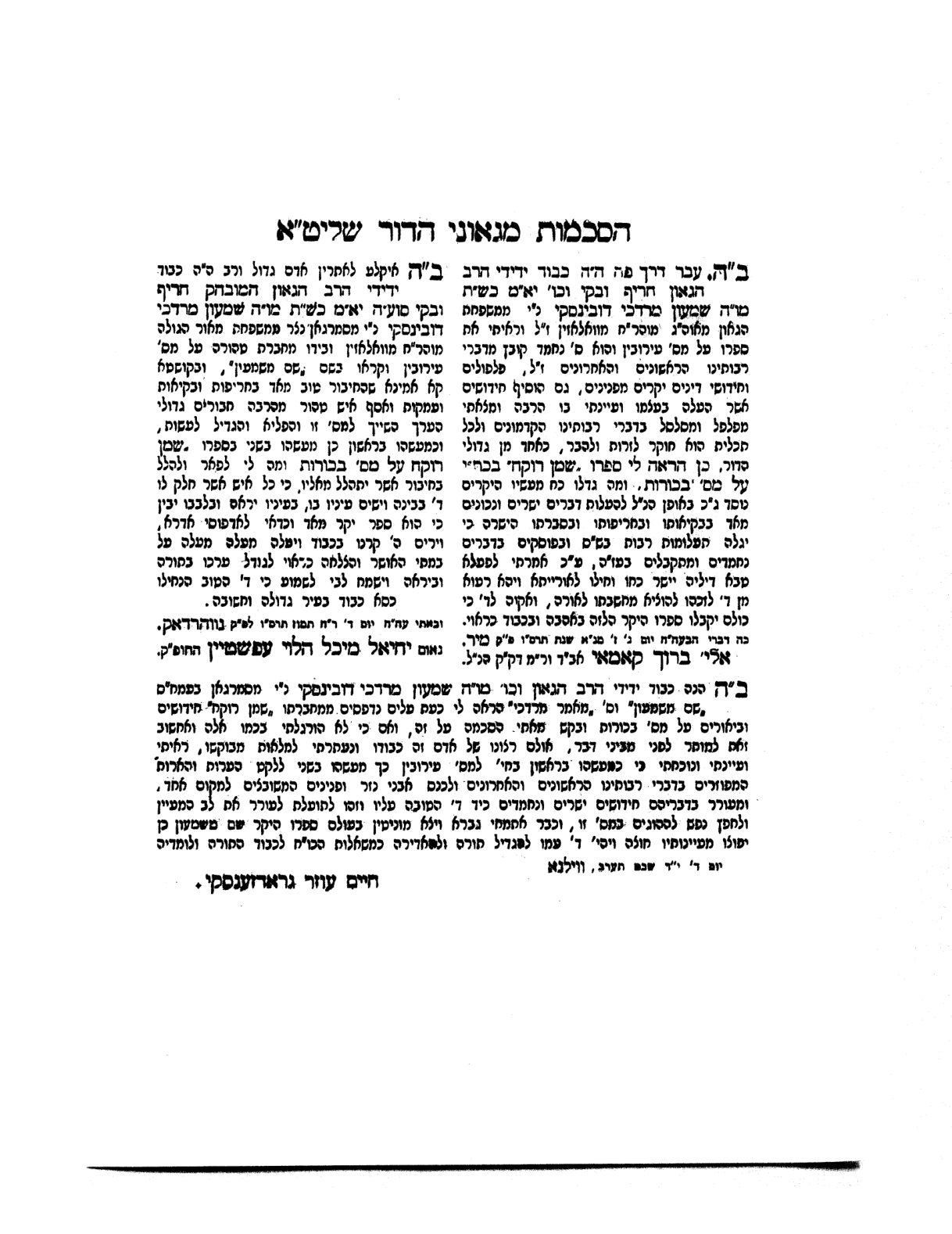
Rav Shimon Mordechai kept the Dubinsky name. On the title page of his 1903 sefer, שם משמעון, he described himself on his mother's side as being from the family of Rav Chaim Volozhiner. The title page does not name the generations between his mother and Rav Chaim.
See the title pageRav Moshe Shmuel, Chaya and Alshad
Rav Moshe Shmuel was known across the records as Dubinsky, Shmukler and Shapiro. He married Chaya, daughter of Rav Avraham Abba HaKohen Zak. The couple lived in Alshad, where Rav Moshe Shmuel served as a Rav before coming to America.
See the 1903 marriage recordThe crossing
Rav Moshe Shmuel reached New York in 1923. His passenger list names “Brother, Nathan Dubinsky, 292 Cherry St., New York, N.Y.” The wording makes Nathan part of the immigration trail, but the man's identity and the relationship meant by “brother” remain unresolved. Chaya and their sons arrived in 1927.
Brooklyn yeshiva and family
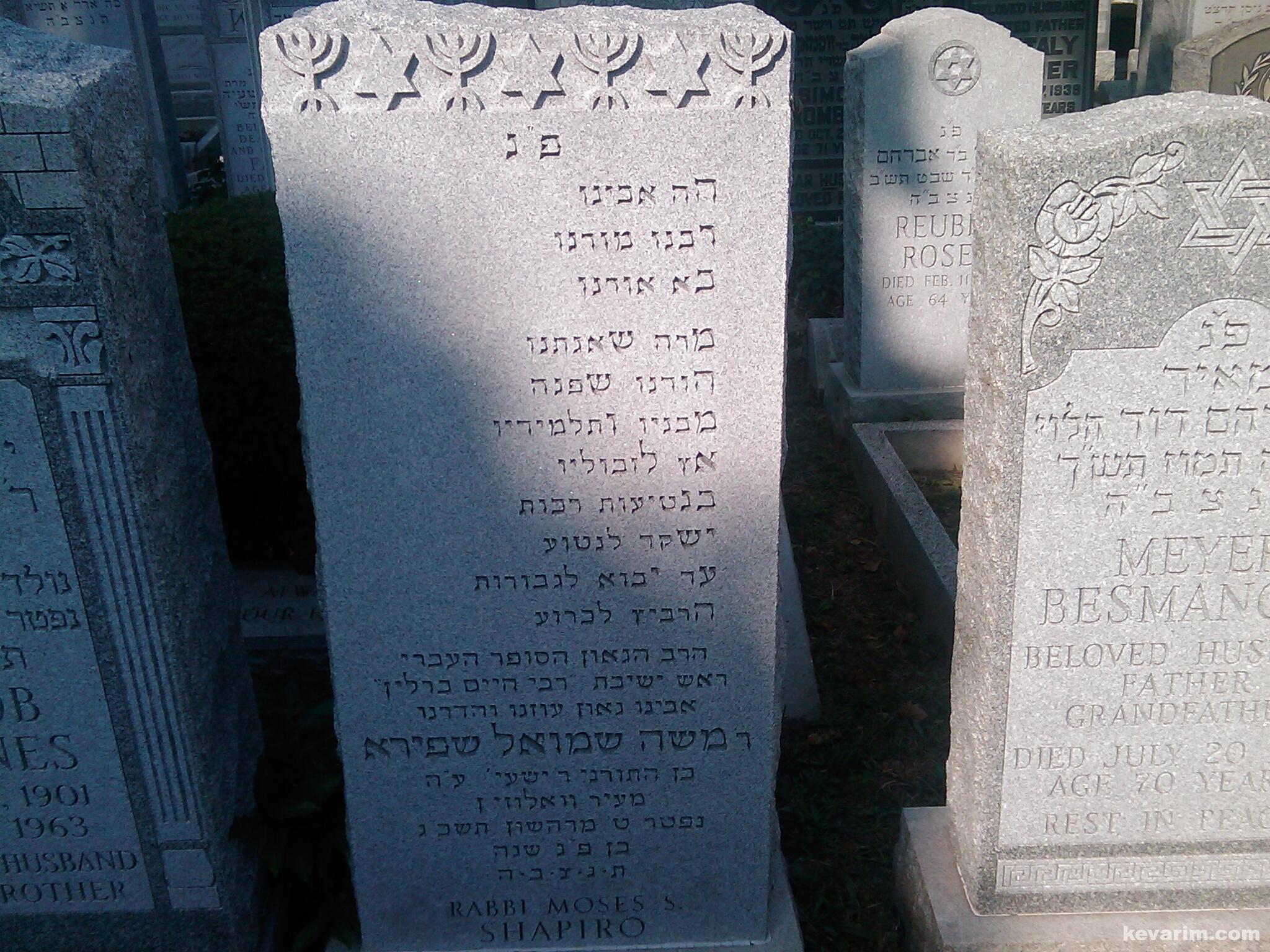
In Brooklyn, Moshe Shmuel was principal of Yeshivas Rabbeinu Chaim Berlin. Chaya, also recorded as Ida, died in 1946. Rav Moshe Shmuel died in 1962 and was buried at Beth David Cemetery; his matzeivah names him as Moshe Shmuel, son of Yeshaya.
Kharkiv evidence and open relationships
Family information and the VGD tree identify Isaac/Itzko Meir, Polina and Maria as children of Rav Shimon Mordechai. Their stones preserve the patronymic Semyonovich/Semyonovna, supporting the same father. The family chart and tree differ on the full number of children, but these three placements are corroborated.
See the Kharkiv evidenceShapiro family trees
Open the Shapiro ancestor fan or browse the multi-generation Shapiro trees. Search by name and open any profile.
Raina Shmukler in the Telsiai register
Raina Shmukler, daughter of Rav Moshe Shmuel and Chaya Zak, was born in Alsėdžiai on 7 August 1905 and died on 8 December 1906 by the old Russian calendar (21 December by today's calendar), 4 Tevet 5667, age one and a half, from influenza. The birth and death acts record the family under Moshe Shmuel’s borrowed-papers identity Eliash son of Yosef Shmukler. She was the first cousin of a different Raina Dubinsky, daughter of Rav Shimon Mordechai and Chaya Feiga. The two Rainas were different people - cousins with the same name - and this site keeps them separate.
Source
LVIA 1226/1/2093, FamilySearch film 2331378 / DGS 4222301, female act 16, book page 84, viewer frame 270. Verified against both the Russian and Hebrew halves; the evidence packet is kept privately by the family.
Evidence index
The records are grouped by the part of the family story they support. Open questions and separate households remain visible without being presented as established family lines.
Main story
 Main story
Rav Moshe Shmuel Shapiro
Beth David Cemetery · Elmont, New York · 1962 Main story
Moses Shapiro arrives
S.S. Lituania · September 6, 1923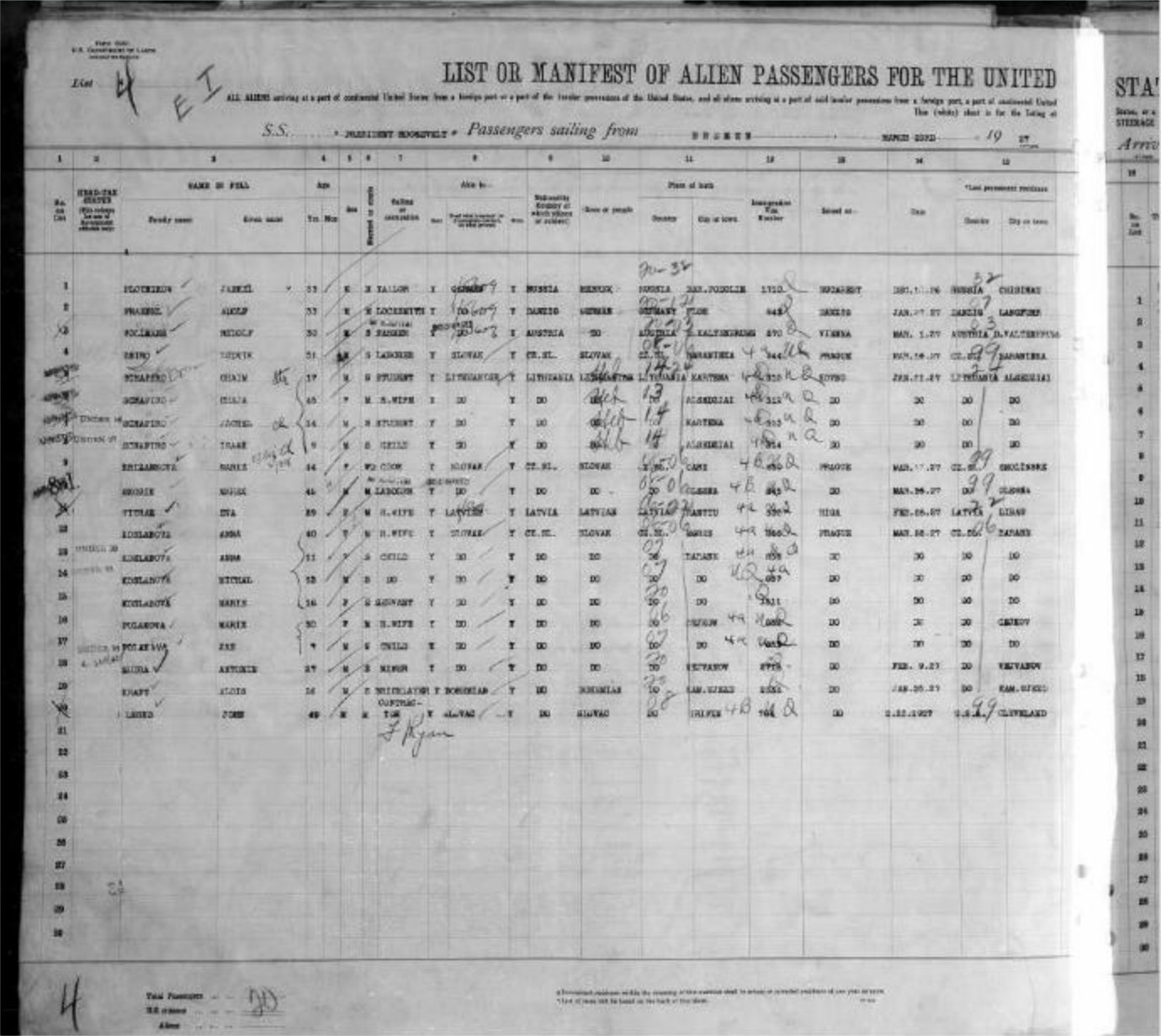 Main story
Chaya and three sons arrive, 1927
S.S. President Roosevelt · April 1927Main storyMoses Shapiro's naturalization petition
Brooklyn · 1936 · Certificate 212943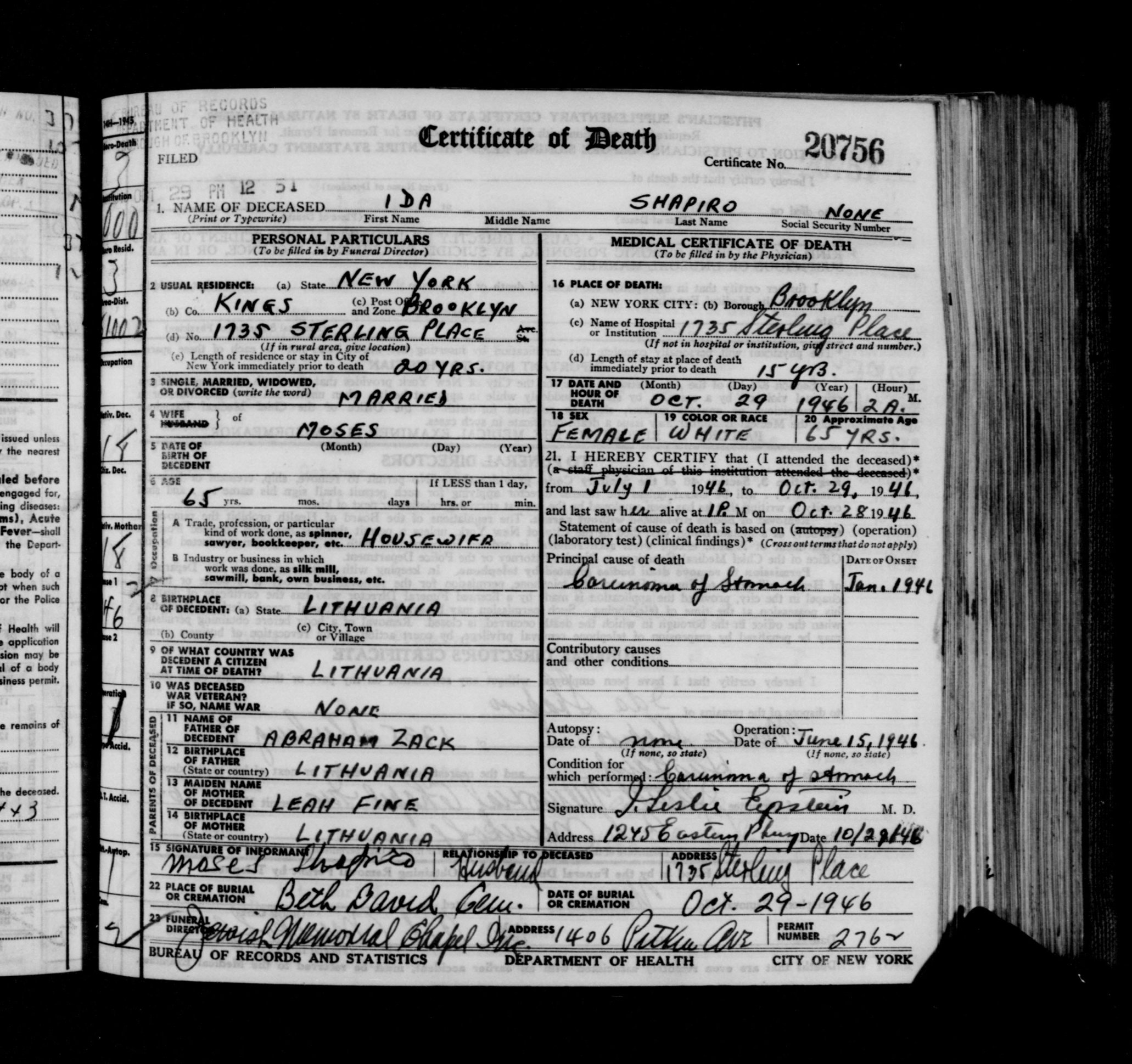 Main story
Chaya Shapiro's 1946 death record
New York City death certificate · 1946Main storyPrincipal of Chaim Berlin
Brooklyn · ED 24-3475 · Sheet 24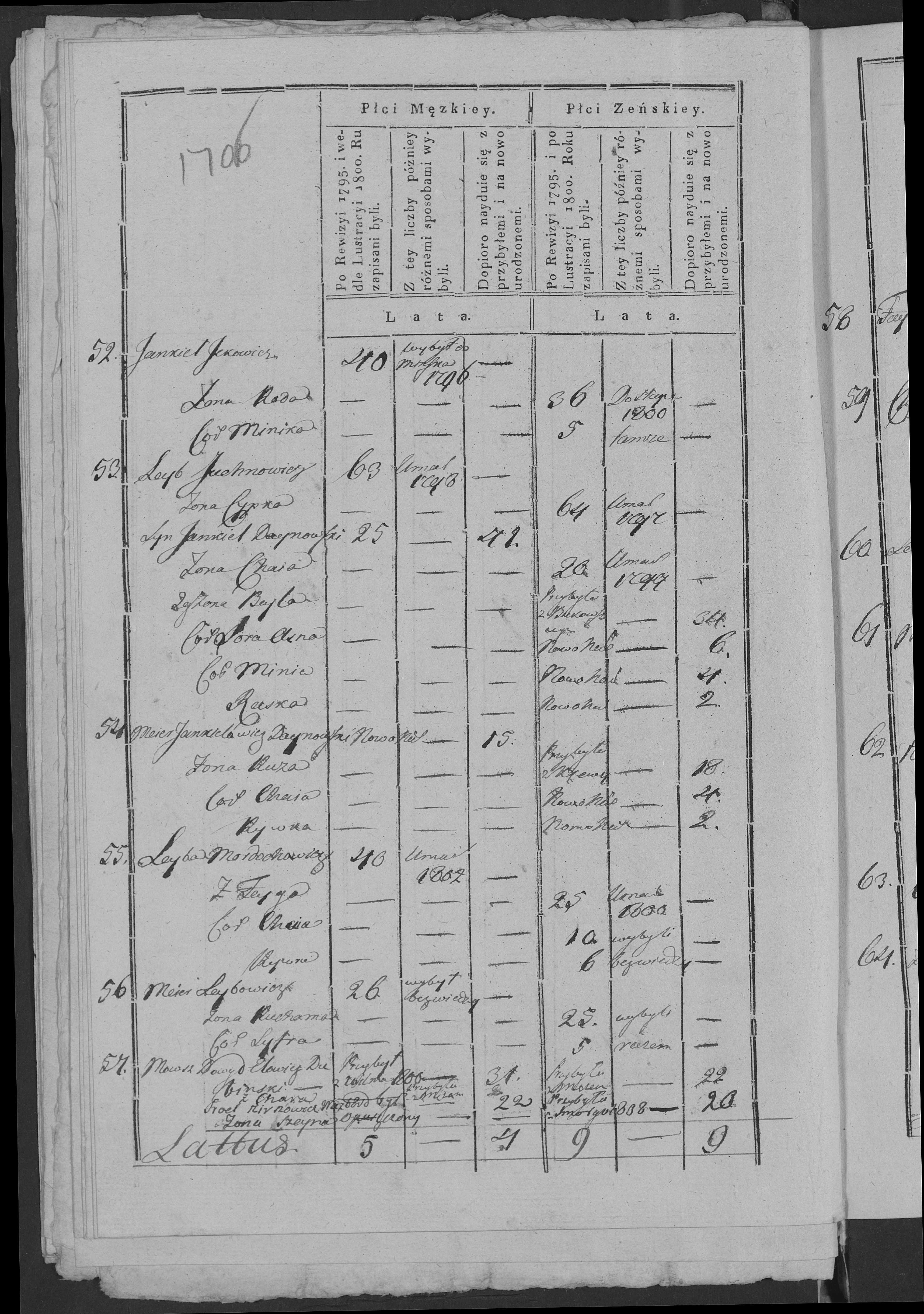 Main story
Dubinskys in Volozhin, 1811
Russian revision list · LVIA 515/15/214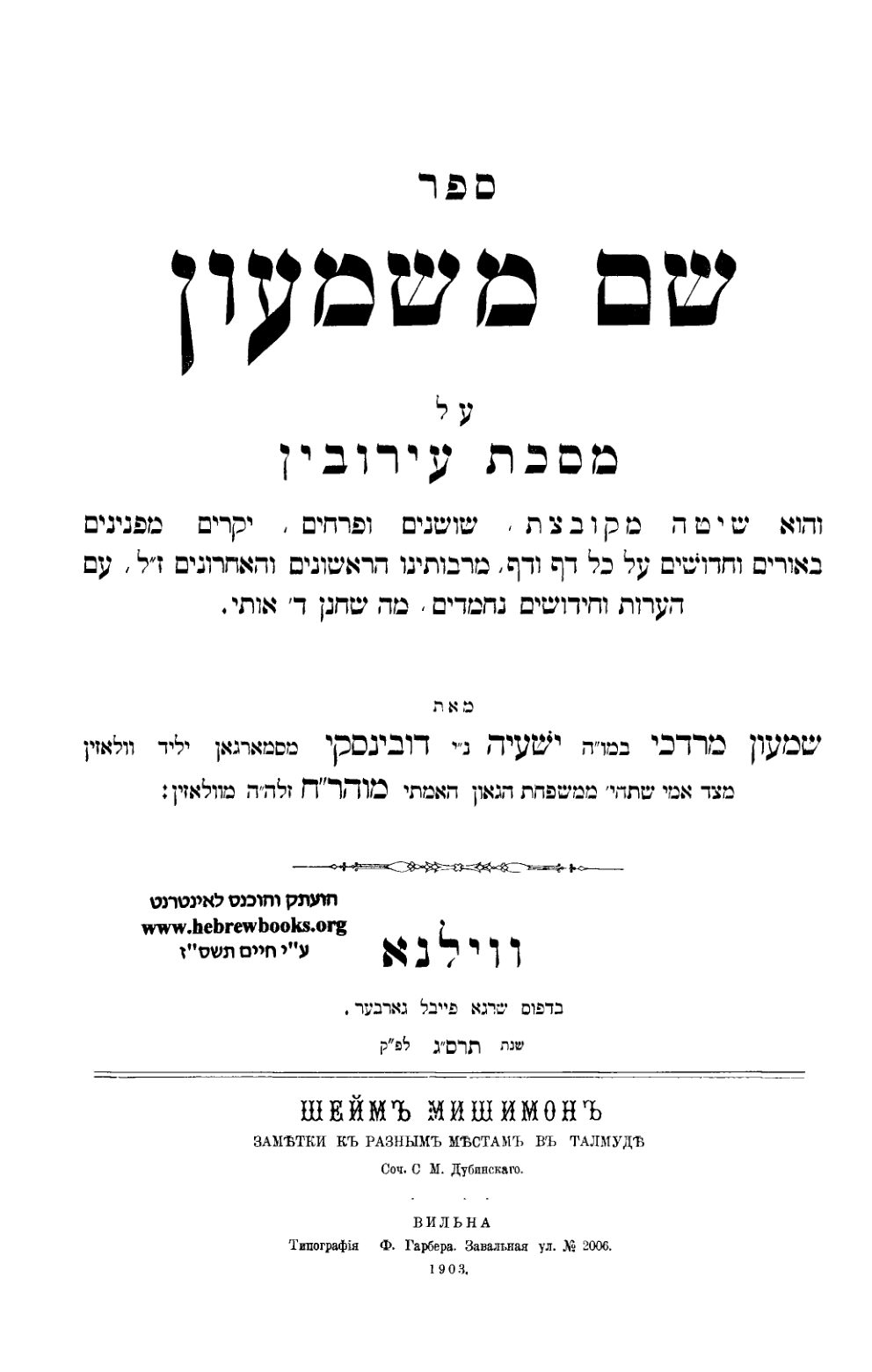 Main story
שם משמעון, 1903
Vilna · Shimon Mordechai Dubinsky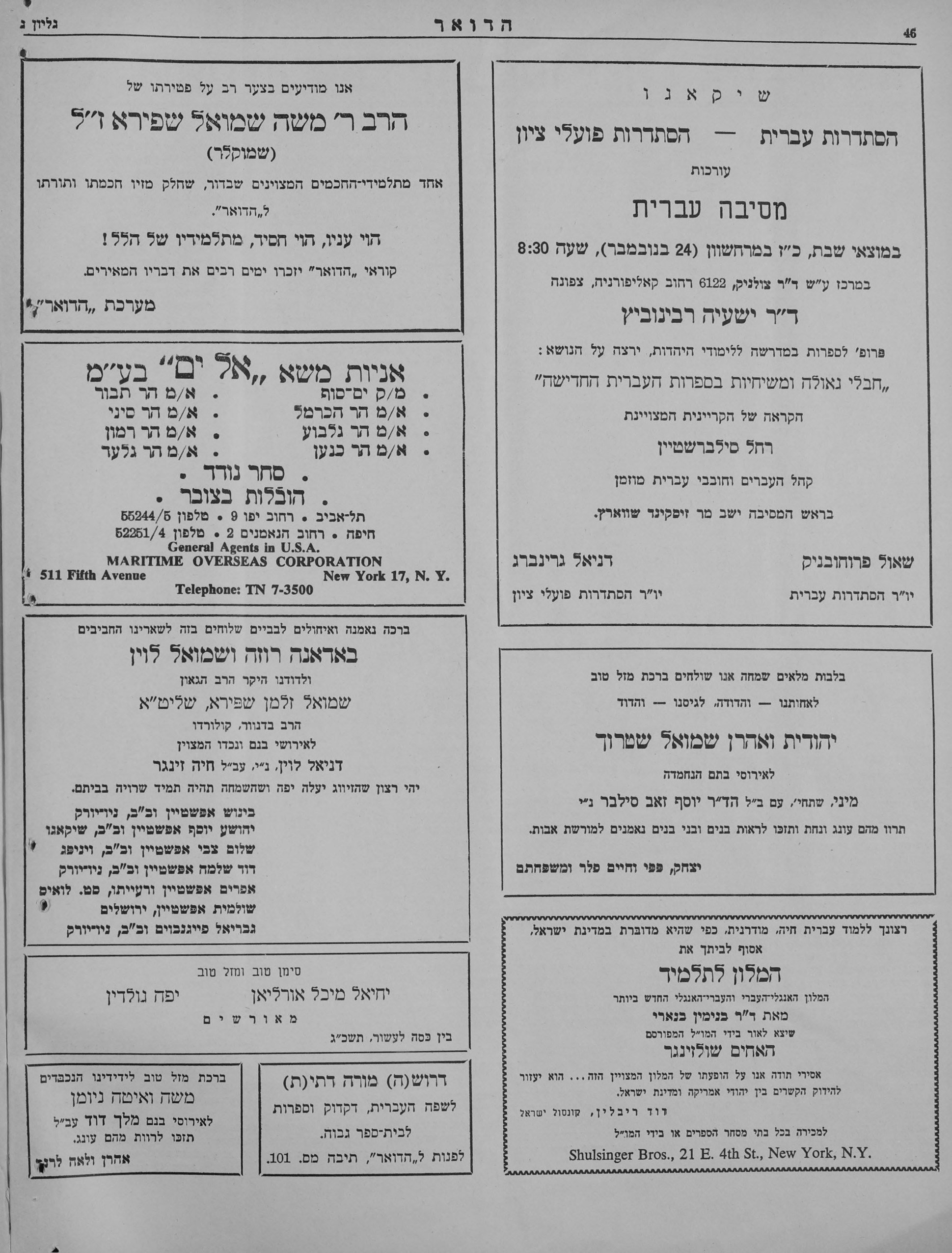 Main story
A contemporary death notice
HaDoar · November 16, 1962Research findA Rabbi Shapiro in Brooklyn newspapers
1925-1938 · identity not shownThe Nathan question
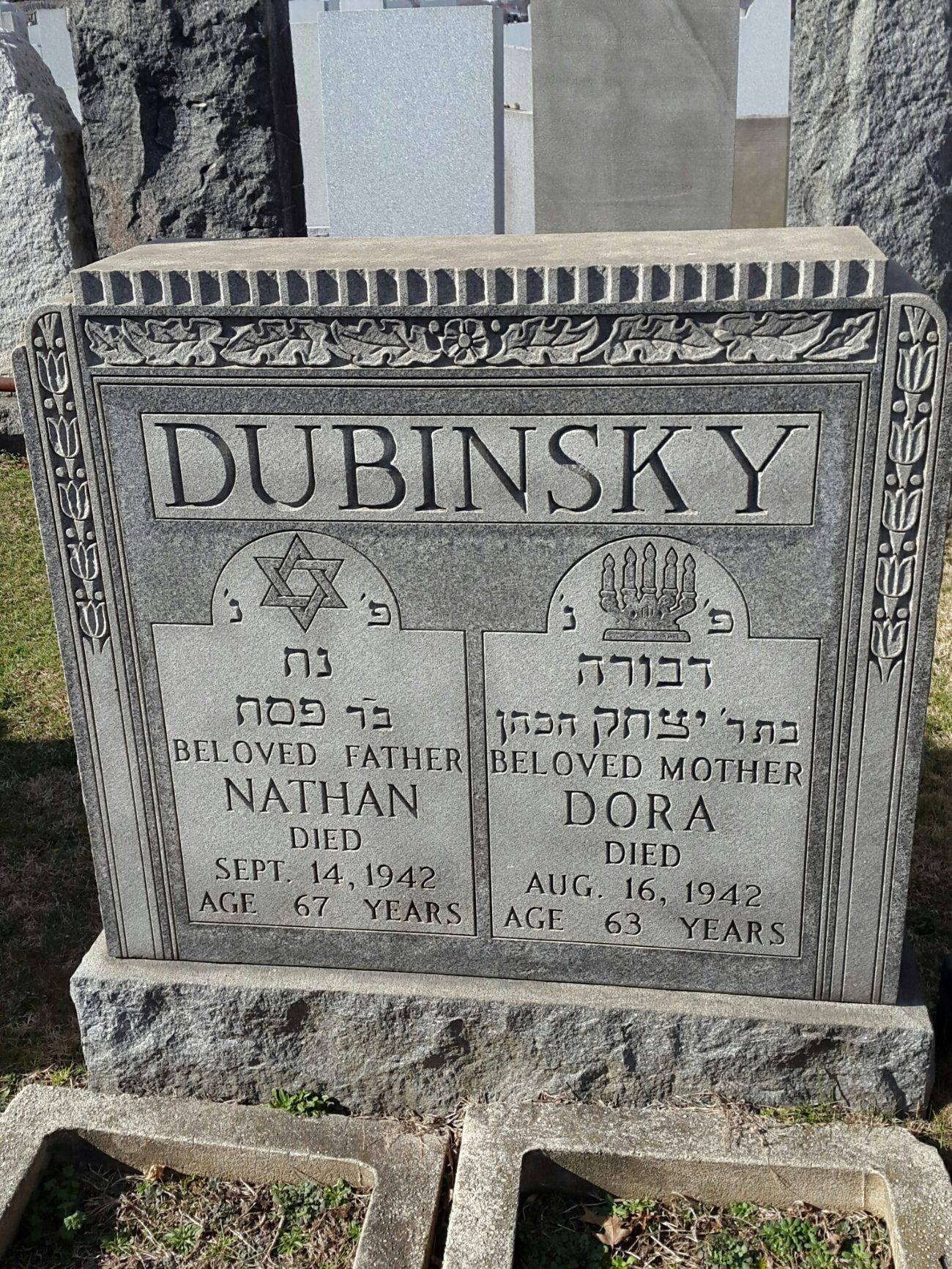
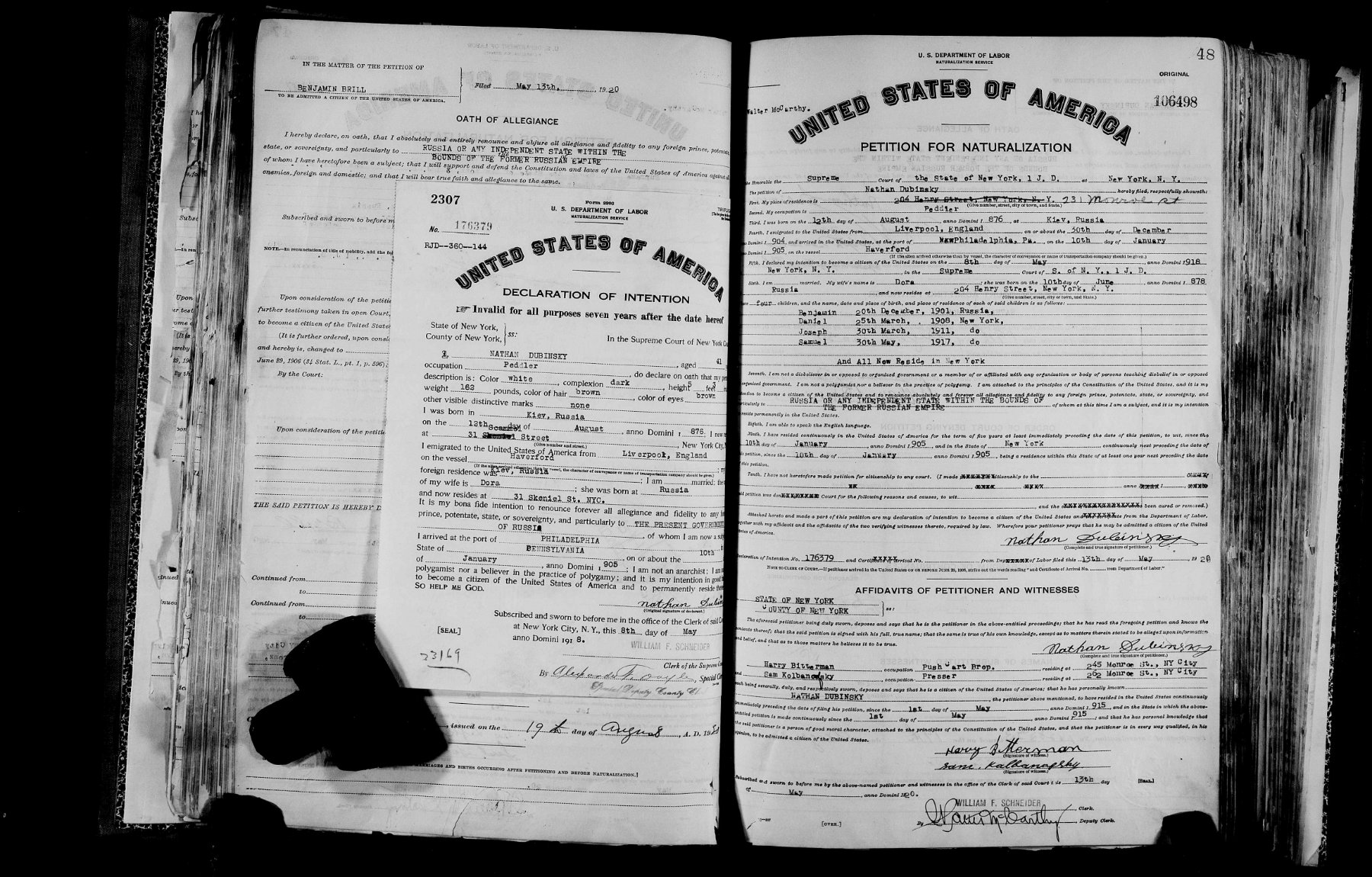
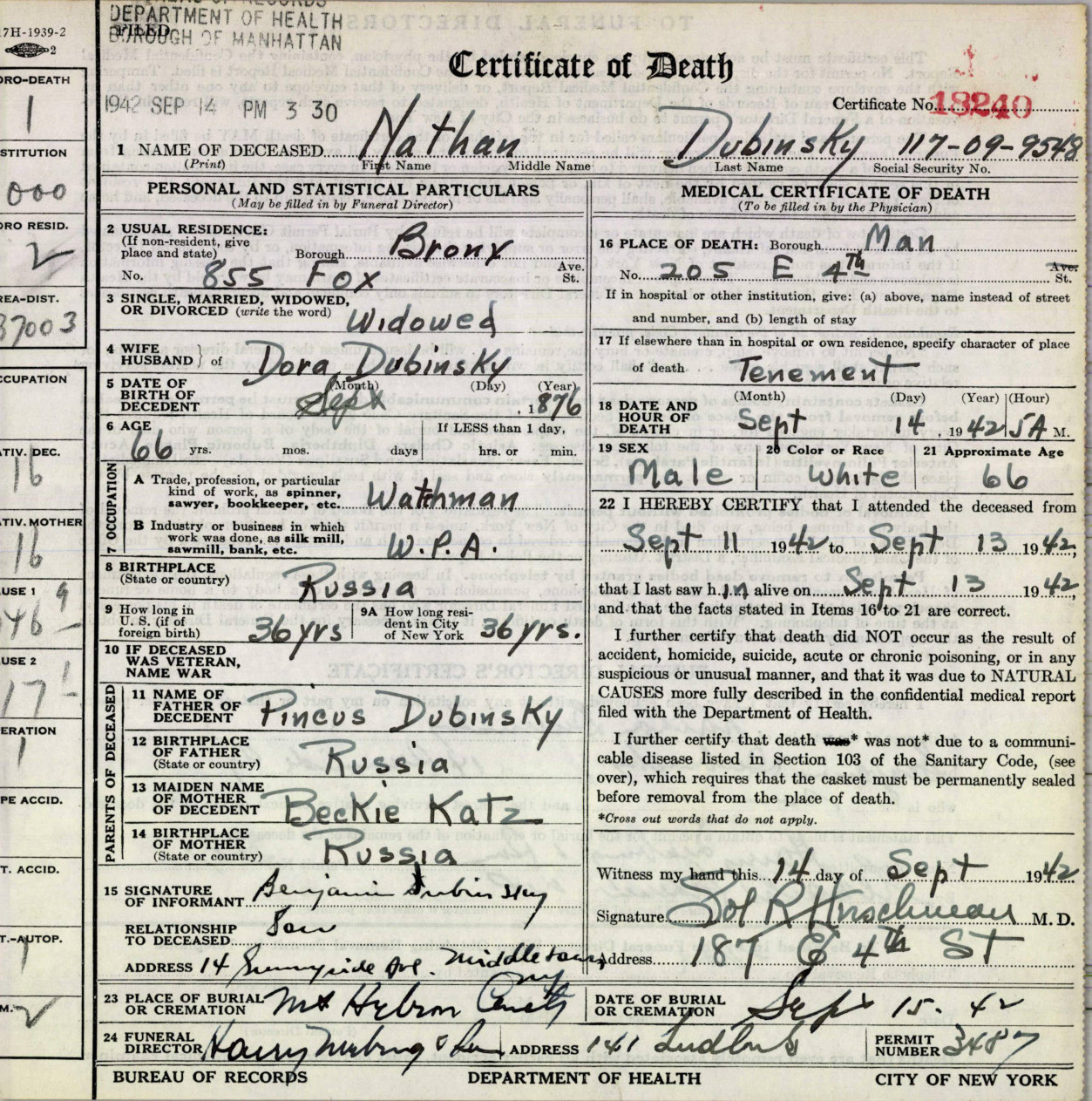
Kharkiv evidence and open relationships
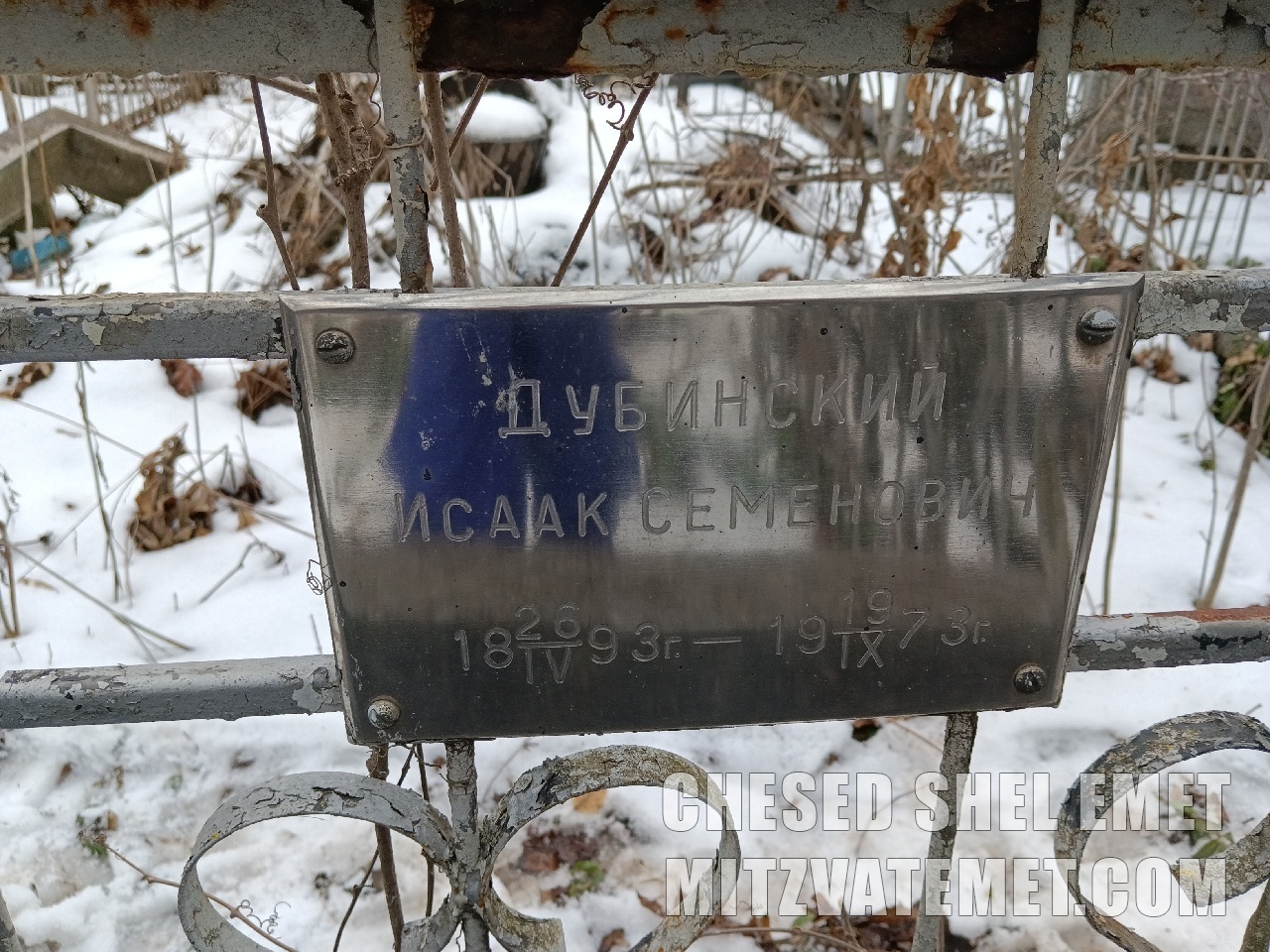
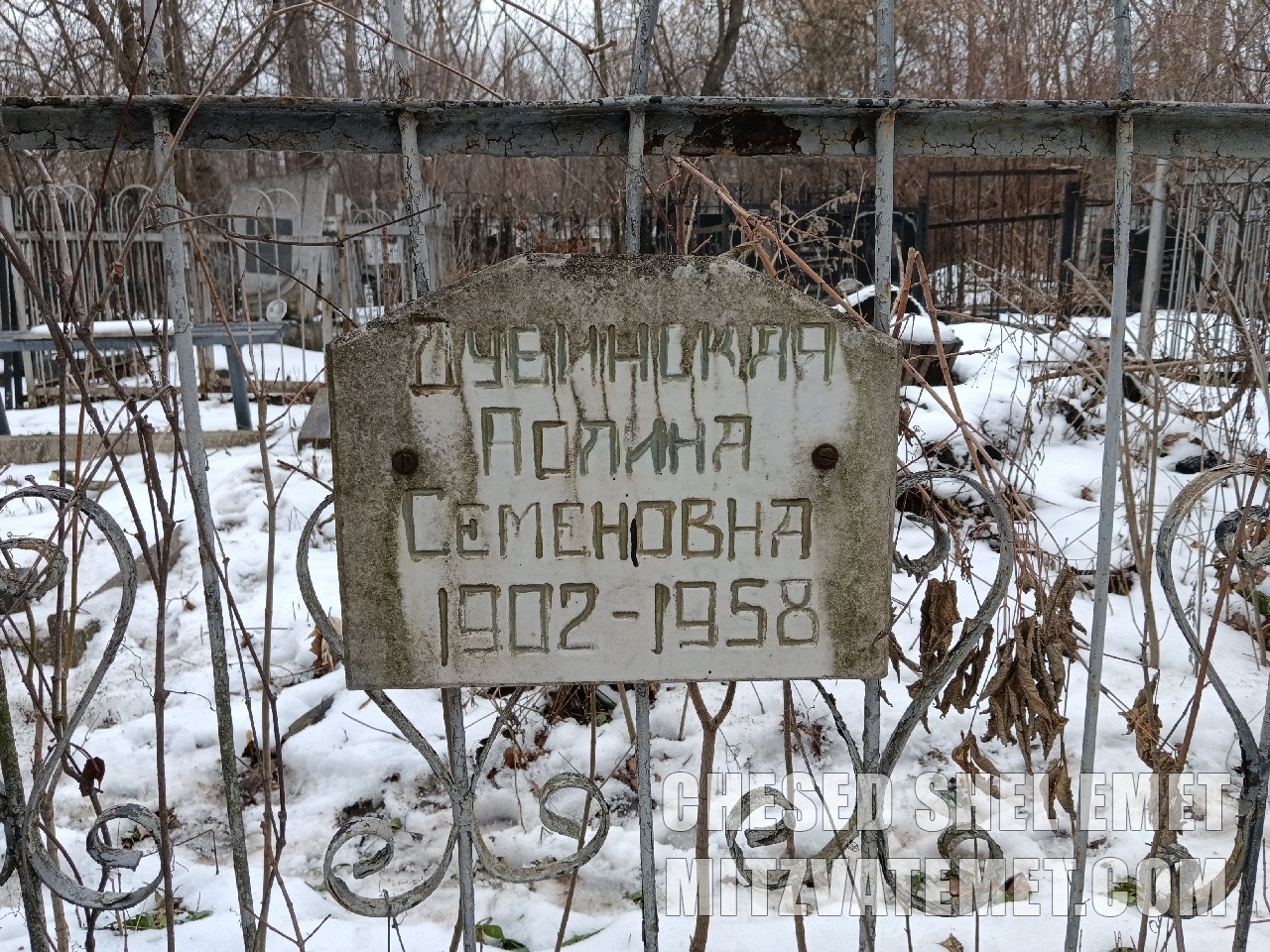
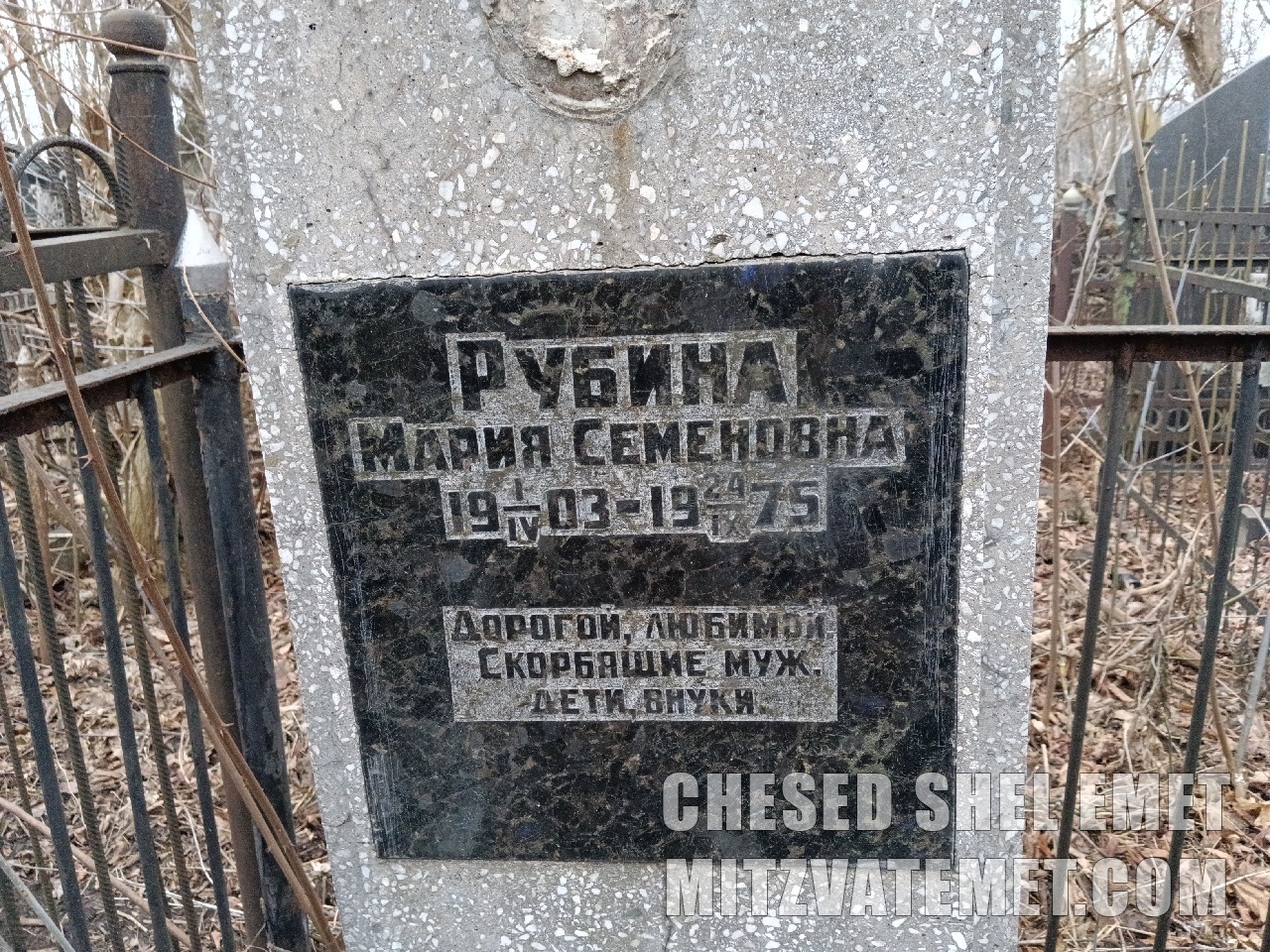
Zak family and separate household
Hinde Zak arrives alone, 1921
Boston passenger list · 1921Zak family and separate householdHinde Zak becomes Hilda Zaron
Naturalization petition · Brooklyn · 1935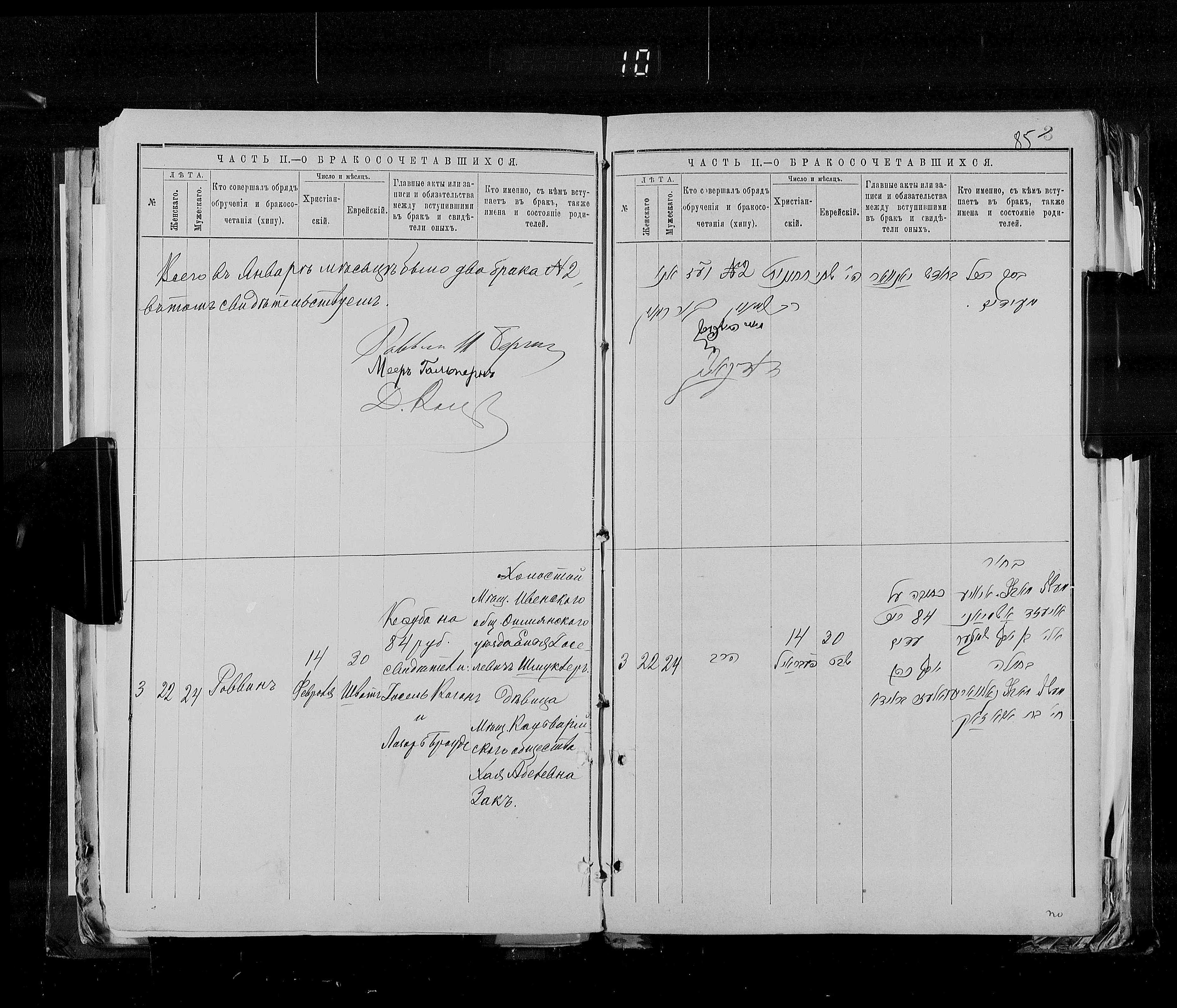 Zak family and separate household